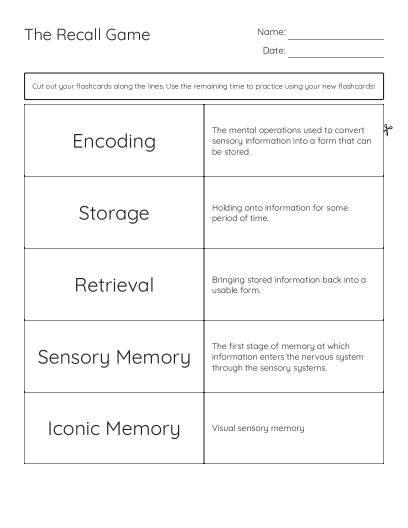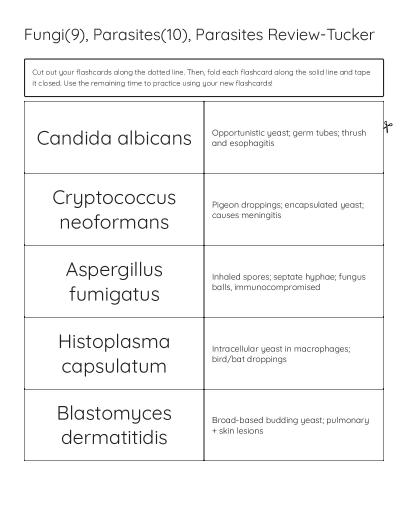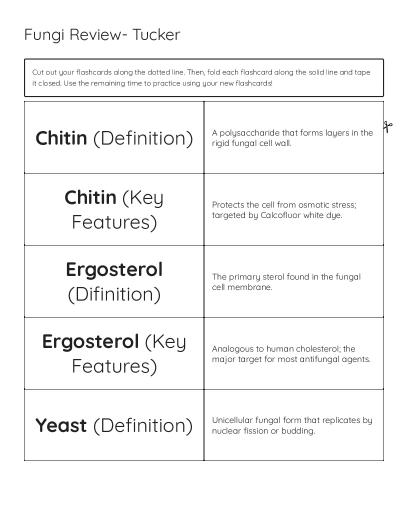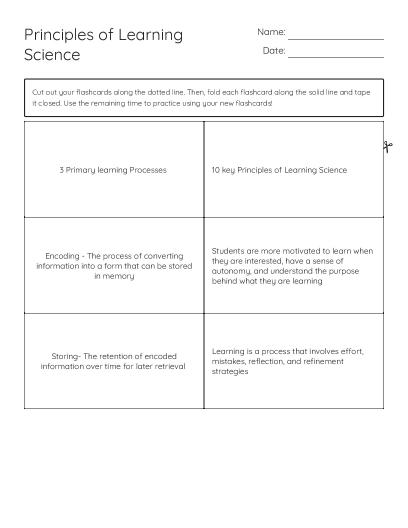
 Flashcards
Evolutionary Psychology Terms Flashcards
View Flashcards → Download as-is, or customize
to fit your needs.
About:
This 181-card flashcard set covers core concepts in evolutionary psychology for college-level study. Topics span inclusive fitness, parental investment theory, sexual conflict, error management theory, and domain specificity, alongside neurobiology terminology like vasopressin, oxytocin, and amygdala function. Use it for exam preparation, comprehensive vocabulary review, or self-study in psychology, behavioral biology, or cognitive science.
Terms in This Set
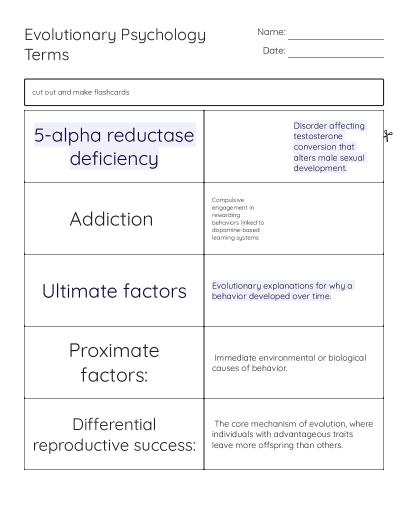
- 5-alpha reductase deficiency
- Addiction
- Ultimate factors
- Proximate factors:
- Differential reproductive success:
- Modern synthesis:
- Phenotype:
- Behavioral genetics:
- Polygenic traits:
- Pleiotropy:
- Noise:
- Naturalistic fallacy:
- Teleological thinking:
- Dualism:
- Biological essentialism:
- Evolutionary plausibility:
- Ecological validity:
- Survival processing effect:
- Domain specificity:
- Domain-specific mechanism:
- Domain-general mechanism:
- Massive modularity:
- Functional modularity:
- Encapsulation:
- Marr’s computational framework:
- Input-output processing:
- Dominance theory:
- Sociometer theory:
- Prosocial dominance:
- Tribalism:
- Homoretic behavior:
- Female fertility hypothesis:
- Gay uncle hypothesis:
- Maternal Perinatal Association (MPA):
- Alloparenting:
- Ego-centered kin terminology:
- Consanguinity:
- Out-group homogeneity effect:
- In-group bias:
- Young male syndrome:
- Deceiving down:
- Wrangham and Peterson:
- Wilson and Daly:
- Chagnon:
- Evolutionary psychology of warfare:
- Zero-sum situation:
- Co-opting resources:
- Strategic interference theory:
- Rape-as-adaptation theory:
- Bodyguard hypothesis:
- Sexual conflict:
- Strategies and counter-strategies:
- Hamilton's Rule:
- Coefficient of relatedness:
- Genetic relatedness:
- Inclusive fitness:
- Consanguinity:
- Parental Investment Theory:
- Costly female reproduction:
- Primary caretaker hypothesis:
- Attachment promotion hypothesis:
- Fitness threat hypothesis:
- Cinderella effect:
- Parental resemblance bias:
- Trivers-Willard hypothesis:
- Healthy baby hypothesis:
- Parent-offspring conflict theory:
- Conflict in utero:
- Human chorionic gonadotropin (hCG):
- Gestational diabetes:
- Sexy sons hypothesis:
- Ovulation-related risk avoidance:
- Attraction-reduction effect:
- Hasty postcopulatory departure:
- Mate poaching:
- MHC compatibility:
- Vasopressin:
- Oxytocin:
- Hypothalamus:
- Gonads:
- Androgens:
- Estrogens:
- SRY gene:
- Creation of gametes:
- Gamete size:
- Drive-Reduction Theory:
- Reproductive trade-off:
- Homeostatic Drive:
- Non-Regulatory Drives:
- Carrot-and-stick motivation:
- Hierarchy of Needs (Maslow):
- Blood-glucose hypothesis:
- Anxiety Disorders:
- Mood Disorders:
- Dopamine reward system:
- Preparedness theory:
- Stimulus specificity:
- Amygdala:
- Expected Utility Theory:
- Heuristics:
- Representativeness heuristic:
- Availability heuristic:
- Anchoring and adjustment heuristic:
- Bounded rationality:
- Ecological rationality:
- Cognitive miser:
- Inductive reasoning:
- Deductive reasoning:
- Conditional reasoning:
- Wason Selection Task:
- Error Management Theory:
- Sexual overperception bias:
- Commitment skepticism bias:
- Signal Detection Theory:
- Attractive rival bias:
- Evolved optimality:
- Coevolution:
- Predator-prey selection pressures:
- Theory of mind:
- Snake detection bias:
- Agency detection:
- Explore-exploit behavior:
- Omnivore's dilemma:
- Chemosensation:
- Taste aversion:
- Classical conditioning:
- Unconditioned stimulus (UCS):
- Unconditioned response (UCR):
- Neutral stimulus (NS):
- Conditioned stimulus (CS):
- Conditioned response (CR):
- Evolved anti-toxin mechanisms:
- Antimicrobial hypothesis:
- Embryo protection hypothesis:
- Operant conditioning:
- Alternative niches:
- Frequency-dependent selection:
- Slow life history strategy:
- Fast life history strategy:
- Conspicuous consumption:
- Optimal foraging theory:
- Explore-exploit tradeoff:
- Hyperactive agency detection:
- Group morality:
- Tribalism:
- MHC compatibility:
- 5-alpha reductase deficiency:
- Congenital adrenal hyperplasia:
- Domain specificity:
- Domain-specific mechanism:
- Domain-general mechanism:
- Massive modularity:
- Functional modularity:
- Encapsulation:
- Marr’s computational framework:
- Input-output processing:
- Ecological validity:
- Evolutionary plausibility:
- Naturalistic fallacy:
- Teleological thinking:
- Hyperactive agency detection:
- Dualism:
- Survival processing effect:
- Wason Selection Task:
- Social exchange reasoning:
- Evolved cognitive biases:
- Error Management Theory:
- Sexual overperception bias:
- Commitment skepticism bias:
- Signal Detection Theory:
- Attractive rival bias:
- Evolved optimality:
- Coevolution:
- Predator-prey selection pressures:
- Theory of mind:
- Snake detection bias:
- Agency detection:
- Explore-exploit behavior:
- Preparedness theory:
- Stimulus specificity:
- Amygdala:
How to Use This Flashcard Set
Print these flashcards for study sessions, test prep, or self-paced review. Click 'Open These Flashcards' to edit terms, add images, or change the layout before printing.