 Flashcards
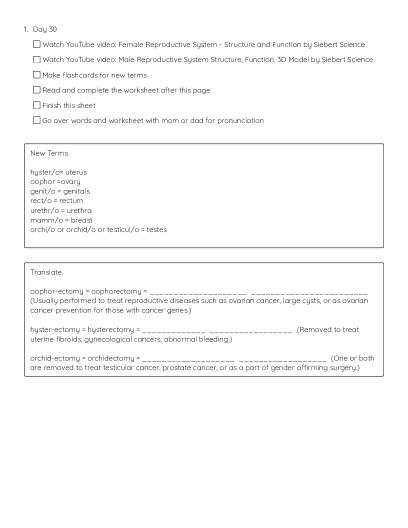
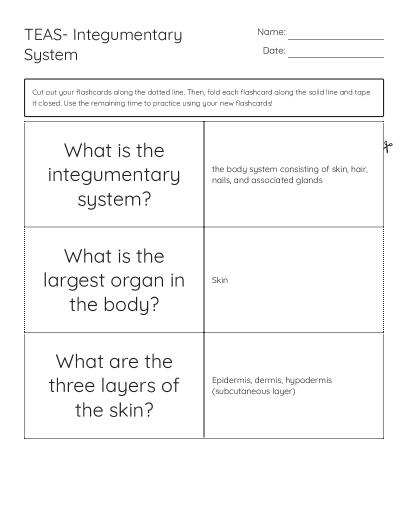
TEAS Integumentary System Flashcards
View Flashcards → Download as-is, or customize
to fit your needs.
About:
This 27-card flashcard set covers integumentary system anatomy and physiology for students preparing for the TEAS nursing exam. Cards address skin structure (epidermis, dermis, hypodermis), melanocytes and melanin, sweat and sebaceous glands, sensory function, vitamin D production, and temperature regulation through vasodilation and vasoconstriction. Use it for targeted exam prep, anatomy review, or self-study before taking the TEAS.
Terms in This Set
- What is the integumentary system?
- What is the largest organ in the body?
- What are the three layers of the skin?
- What is the epidermis?
- What type of cells produce melanin?
- What is the function of melanin?
- What is the dermis?
- What is the hypodermis (subcutaneous layer)?
- What are sebaceous glands?
- What are sudoriferous glands?
- What are appocrine sweat glands?
- What are ceruminous glands?
- What are hair follicles?
- What is the primary function of the integumentary system?
- How does the epidermis protect the body?
- What protects the tips of fingers and toes?
- How does the integumentary system contribute to excretion?
- What substances are found in sweat?
- Where are sensory nerve endings located?
- What sensations can the skin detect?
- What vitamin does the skin produce?
- What triggers vitamin D production?
- How does sweating help maintain homeostasis?
- What happens to blood vessels when the body is warm?
- What is cutaneous vasoconstriction?
- When does vasoconstriction occur?
- Why is vasodilation important?
How to Use This Flashcard Set
Print these flashcards for study sessions, test prep, or self-paced review. Click 'Open These Flashcards' to edit terms, add images, or change the layout before printing.